


Workers’ compensation insurance is an important consideration for Indiana businesses with employees. It can provide medical, rehabilitation, and income benefits when an employee suffers a work-related injury. Indiana generally requires employers to carry workers’ compensation coverage, although certain individuals and business structures may qualify for exemptions.
Who Generally Needs Workers’ Compensation?
Most Indiana employers with employees are required to have workers’ compensation insurance. Coverage applies to eligible employees from their first day on the job. This makes workers’ compensation insurance in Indiana an important part of protecting both employees and businesses.
Businesses should also remember that simply calling someone an independent contractor does not automatically make them one. Indiana uses specific criteria when determining independent-contractor status.
Who May Be Exempt?
Certain business owners and individuals may qualify for an exemption, including some sole proprietors, partners, LLC members or managers, and qualifying independent contractors. However, eligibility depends on the applicable requirements and business circumstances.
Independent contractors seeking an exemption may need to obtain a certificate through Indiana's required process. Construction and building-trade contractors have specific certification requirements.
Why Proper Coverage Matters
Having appropriate workers’ comp coverage in Indiana can help a business respond to workplace injuries while meeting applicable legal requirements. Businesses should review their employee classifications and insurance needs regularly, especially when their workforce or operations change.
For businesses looking for workers’ compensation insurance in Fort Wayne, Indiana, Ball Group Insurance can help you review available insurance options based on your business and its specific needs.
Understanding Indiana’s workers’ compensation requirements can help business owners stay informed and better prepared for workplace-related risks.
Related Blogs

Workers Compensation Insurance: A Complete Employer Guide
Workers compensation insurance helps protect businesses and employees when workplace injuries or illnesses occur. This guide explains how coverage works, why it is important for employers, which businesses can benefit, and how Insurance Ball Group helps businesses in Fort Wayne, Indiana find workers compensation insurance solutions that support their operations and workforce.
Read More
Common Auto Insurance Myths Debunked
Many drivers believe common auto insurance myths that can lead to confusion about coverage and policy options. This guide explains the facts behind popular misconceptions, what personal auto insurance typically covers, and why reviewing your policy regularly is important. Insurance Ball Group helps drivers in Fort Wayne, Indiana understand their coverage options and choose protection that fits their needs.
Read More
Term Life vs Whole Life Insurance: Which Should You Choose?
Choosing between term life insurance and whole life insurance is an important decision that can impact your family's financial future. This guide explains how each type of coverage works, the key differences between them, and factors to consider when selecting a policy. Insurance Ball Group helps individuals and families in Fort Wayne, Indiana compare life insurance options and find coverage that aligns with their goals and needs.
Read More
Why Technology Companies Need More Than Just Cyber Insurance
Cyber insurance is important, but it is only one part of protecting a technology business. Discover the additional insurance coverages that can help safeguard your company, employees, and long-term growth.
Read More
The Biggest Insurance Risks Contractors Face in 2026
From job site accidents to liability claims and property damage, contractors face a variety of risks. Learn which insurance coverages can help protect your business and keep projects moving forward.
Read More
How Manufacturers Can Reduce Financial Risks With The Right Insurance
Manufacturers face financial risks from equipment breakdowns, liability claims, property damage, and more. Discover how the right insurance coverage can help protect your business and support continued growth.
Read More
Top Reasons Auto Insurance Rates Increase
Learn why auto insurance rates increase and what you can do to manage your premiums.
Read More
Renters Insurance: Is It Worth the Cost?
Discover what renters insurance covers and why it can protect your belongings and finances.
Read More
What Does Homeowners Insurance Cover and Exclude?
Learn what homeowners insurance covers, common exclusions, and how to protect your home from unexpected risks.
Read More
Benefits of Choosing an Independent Insurance Agency
Discover how an independent insurance agency can help you compare coverage, access multiple carriers, and find personalized insurance solutions.
Read More
Condo Insurance vs. Homeowners Insurance: What's the Difference?
Learn how condo and homeowners insurance differ in coverage, protection, and costs.
Read More
Key Person Life Insurance: Protecting Your Business from the Unexpected
Learn how key person life insurance can help protect your business from financial loss.
Read More
How to Choose the Best Insurance Agency Near You
Discover what to look for when choosing a trusted local insurance agency.
Read More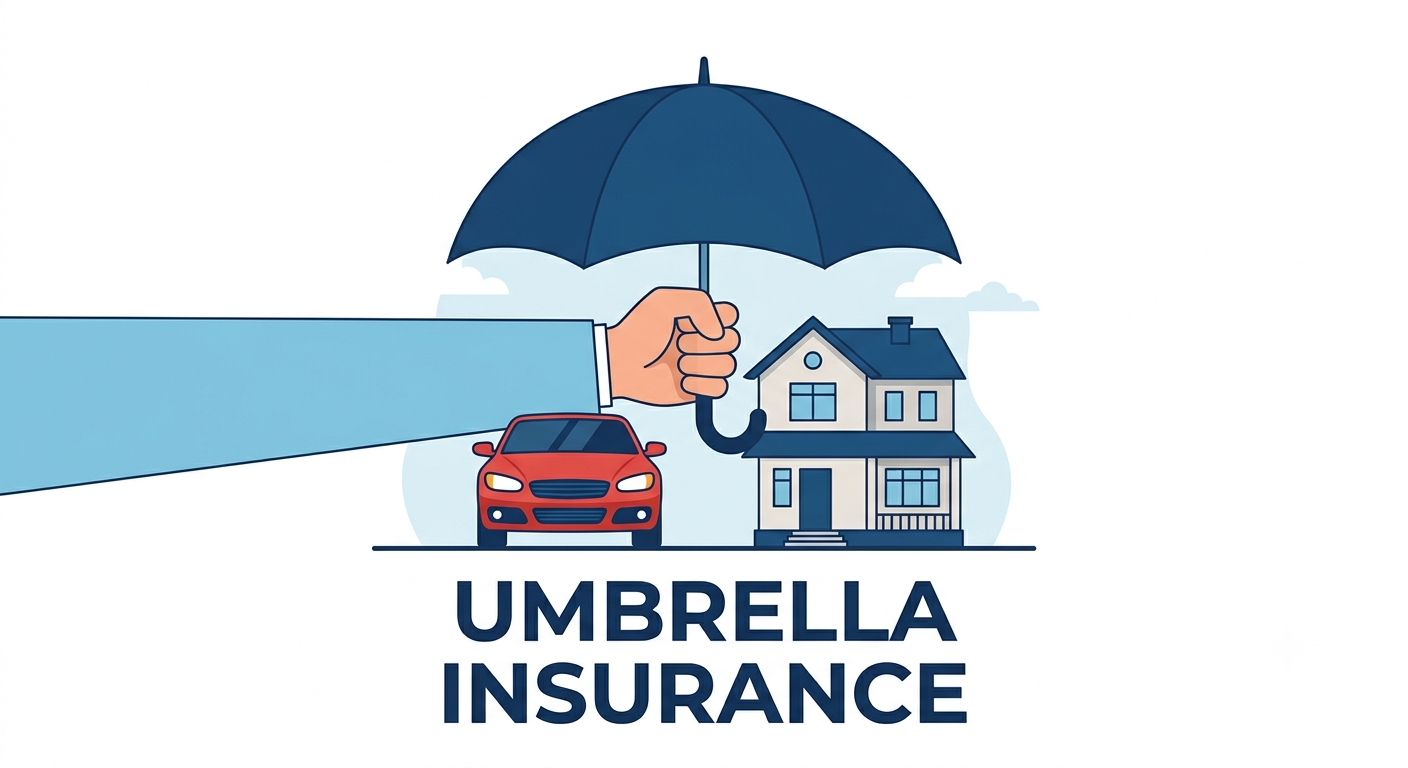
How to Choose the Best Umbrella Insurance Agency Provider
Learn how umbrella insurance provides extra liability protection for your assets.
Read More
How to Compare Auto Insurance Quotes and Save Money
Compare auto insurance quotes, coverage, and discounts to find affordable protection.
Read More
General Liability Insurance: Why Every Business Needs It
Learn how general liability insurance protects businesses from common liability risks.
Read More
Business Owner’s Policy (BOP) vs Separate Insurance Policies: Which Saves More Money?
Compare BOPs and separate policies to find the right balance of coverage, flexibility, and cost.
Read More
How Major Life Events Can Create Insurance Coverage Gaps
Major life changes can affect your insurance needs. Learn how to identify potential coverage gaps.
Read More
How Much Business Insurance Does a Small Business Actually Need?
Learn how to choose business insurance based on your risks, operations, and coverage needs.
Read More
What Happens If Your Business Suffers a Cyber Attack Tomorrow?
Learn how cyber attacks can disrupt operations, expose data, and affect your business.
Read More
How to Choose the Right Home Insurance in Fort Wayne
Learn how to choose home insurance that fits your home, belongings, and coverage needs.
Read More
What Factors Affect Auto Insurance Rates in Fort Wayne?
Discover what can affect auto insurance rates in Fort Wayne and how to compare your options.
Read More
Do You Need Umbrella Insurance?
Learn who may benefit from umbrella insurance and additional liability protection.
Read More
How Much Life Insurance Coverage Does Your Family Need?
Learn how to estimate the right life insurance coverage based on your income, debts, family needs, future expenses, and existing assets.
Read More
When Should You Review Your Personal Insurance Policies?
Learn when to review your personal insurance to keep your coverage aligned with life changes and changing needs.
Read More
Why Small Businesses Need General Liability Insurance
Learn why general liability insurance matters for small businesses and how it can help manage common liability risks.
Read More
Business Insurance in Fort Wayne: What Coverage Does Your Business Need?
Explore the types of business insurance that business owners may need to protect their companies from unexpected risks.
Read More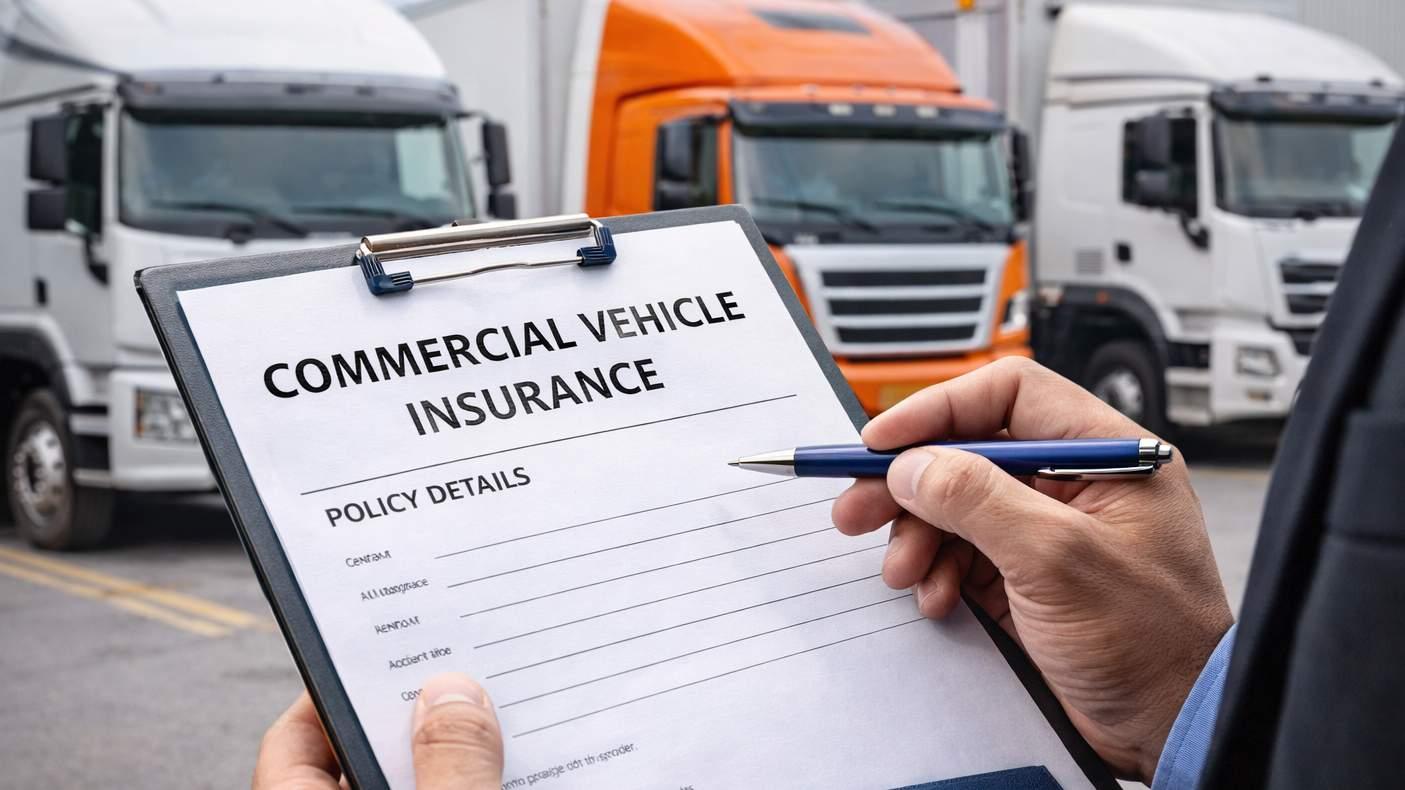
Commercial Auto Insurance: What Does It Cover?
Learn what commercial auto insurance covers and how it can help protect business vehicles from covered risks.
Read More
What Is Packaged Business Insurance and How Does It Work?
Learn how packaged business insurance combines multiple coverages to help businesses manage different risks.
Read More
How Much Auto Insurance Coverage Do You Really Need?
Learn how to choose auto insurance coverage that fits your vehicle, driving habits, and risks.
Read More
Church Insurance: The Coverages Every Indiana Church Needs
Explore key church insurance coverages that can help protect your Fort Wayne church, property, staff, and congregation.
Read More
Does Home Insurance Cover Water Damage? What’s In and What’s Out
Learn when home insurance may cover water damage and which types of water-related damage may be excluded.
Read More
What Does a Standard Homeowners Policy Cover in Indiana?
Learn what standard homeowners insurance may cover for your Indiana home, belongings, liability, and more.
Read More
How to Lower Your Auto Insurance Premium Without Losing Coverage
Discover practical ways Indiana drivers can manage auto insurance costs while maintaining the coverage they need.
Read More
Does Your Church Policy Cover Volunteer Injuries and Property Damage?
Learn how church insurance may address volunteer injuries and property damage, and what coverage Indiana churches should review.
Read More
Small Business Insurance: The 3 Policies Most Fort Wayne Owners Need
Discover three important insurance policies that can help Fort Wayne small businesses manage liability, property, and vehicle-related risks.
Read More
General Liability vs. Professional Liability: What’s the Difference?
Compare general and professional liability insurance to understand how each insurance protects your business.
Read More
What Happens If You’re Underinsured? Examples & Fixes
earn the risks of being underinsured and how regular policy reviews can help protect your home, business, and belongings.
Read More